- Weather & crowds: Warm weather, longer daylight hours, and higher visitor numbers.
- Why visit: Ideal for combining Robben Island with other Cape Town attractions. Clearer days also offer better views during the ferry ride.
Robben Island timings guide
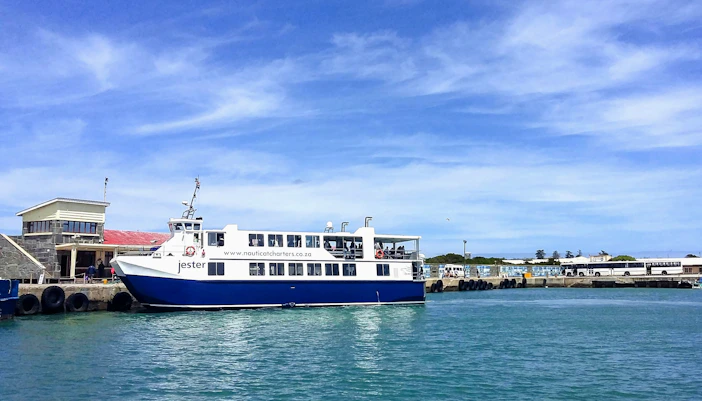
Robben Island visits are scheduled around ferry departures from the Nelson Mandela Gateway at the V&A Waterfront. Ferries typically run multiple times a day, with each visit including the ferry crossing, an island bus tour, and a guided visit to the former prison and museum. Timings may vary depending on the season, weather, sea conditions, and operational requirements.
Robben Island ferry timings
| Season/Period | First departure | Last departure | Frequency | Notes |
|---|---|---|---|---|
September–April (Peak season) | 9am | 3pm | 4 scheduled departures daily: 9am, 11am, 1pm, and 3pm | Ferry schedules may vary due to weather, sea conditions, and operational requirements. |
May–August (Off-peak season) | 9am | 3pm | Additional departures may be added during busy periods | Higher visitor demand may lead to extra ferry slots. Advance booking is recommended. |
Timing notes & visitor warnings
- Arrive at the ferry terminal at least 30 minutes before your scheduled departure to allow time for check-in and boarding.
- Ferry services may be affected by strong winds, rough seas, or poor weather conditions.
- Last-minute schedule changes can occur due to operational or safety requirements.
- Robben Island visits are based on fixed ferry departures, so arriving late may mean missing your scheduled tour.
- During peak travel periods, popular departure slots can fill up quickly, so booking in advance is recommended.
Official timetable & further information
Robben Island ferry schedules can change throughout the year due to weather conditions, maintenance, and operational updates. For the most accurate departure times, ticket availability, and service announcements, check the official Robben Island Museum timetable before planning your visit.
Best time to visit Robben Island

Summer (December–February)

Autumn (March–May)
- Weather & crowds: Mild temperatures and fewer crowds compared with summer.
- Why visit: A comfortable time to explore the island with pleasant walking conditions and shorter queues.

Winter (June–August)
- Weather & crowds: Cooler temperatures, stronger winds, and occasional ferry disruptions.
- Why visit: Quieter months for visitors who prefer smaller crowds, but weather conditions can affect crossings.

Spring (September–November)
- Weather & crowds: Mild weather with gradually improving conditions.
- Why visit: Good balance of comfortable temperatures, fewer crowds, and better outdoor sightseeing conditions.

Robben Island can be busy throughout the year, especially during school holidays and peak travel seasons. Weekdays outside major holiday periods generally offer a calmer experience with fewer visitors.
Morning ferry departures are often preferred by travellers combining Robben Island with other Cape Town attractions, as they leave more time for sightseeing later in the day.

- Morning departures: Best for visitors who want a relaxed experience or plan to add another attraction afterward. Earlier trips can also be a good choice during warmer months before midday temperatures rise.
- Afternoon departures: Suitable for travellers with a flexible schedule or those visiting Robben Island as the main activity of the day. Keep in mind that later departures leave less time for additional sightseeing afterward.
Weather at Robben Island
Robben Island’s coastal location means weather can change quickly. Wind and sea conditions play an important role in ferry operations, so checking the forecast before your visit is recommended.

Summer (December–February)
- Average conditions: Around 18°C–28°C
- Crowd levels: High
- What to expect: The busiest period on Robben Island, with longer daylight hours and warm weather. Clearer skies make it a great time to enjoy the ferry ride and combine your visit with other Cape Town attractions. Strong coastal winds can still occur.

Autumn (March–May)
- Average conditions: 13°C–25°C
- Crowd levels: Moderate
- What to expect: A comfortable time to visit with milder temperatures and fewer visitors than peak summer. Calmer conditions and pleasant weather make walking around the island more enjoyable.
Winter (June–August)
- Average conditions: 8°C–18°C
- Crowd levels: Low to moderate
- What to expect: The quietest season, with cooler temperatures and fewer crowds. Wind and rough seas are more common, so ferry schedules may be affected by weather conditions.

Spring (September–November)
- Average conditions: 11°C–22°C
- Crowd levels: Moderate
- What to expect: A good balance of manageable crowds and improving weather. September marks the start of the busier period, with more visitors arriving as temperatures rise.
- Best weather: December to March for warmer days and longer daylight hours.
- Best for fewer crowds: June to August, though visitors should be prepared for cooler and windier conditions.
- Best balance: March–May and September–November offer comfortable temperatures with generally smaller crowds than peak summer.
⏳ How long should I spend at Robben Island
A Robben Island visit usually takes 3.5–4 hours, including the ferry ride from the V&A Waterfront, the island bus tour, and the guided visit to the former prison and museum. If you want to pair Robben Island with other Cape Town highlights, full-day tours combine the island with attractions like Table Mountain, Kirstenbosch, or the Cape Peninsula.

Half day (3.5–4 hours)
Perfect for: A focused visit to Robben Island that covers the island’s key historical sites without taking up your entire day.
Top sights:
- ⛴️ Ferry crossing from the V&A Waterfront – Enjoy the boat ride across Table Bay while taking in views of Cape Town’s coastline.
- 🚌 Island bus tour – Explore key areas of Robben Island with live commentary and historical insights.
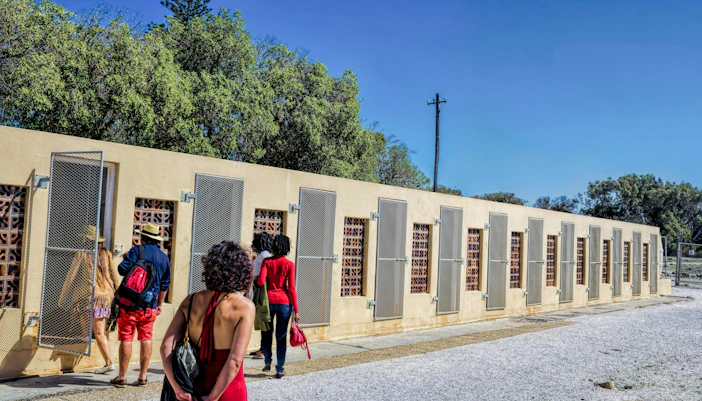
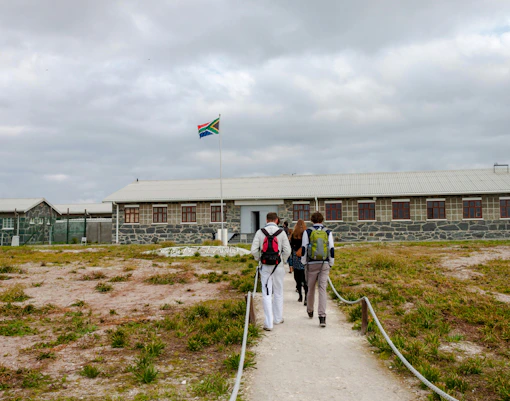
- 🏛️ Former prison complex – Visit the site where political prisoners were held and learn about its role in South Africa’s history.
- 📖 Robben Island Museum – Browse exhibits and stories that bring the island’s past to life.

Full day with Table Mountain (6–8 hours)
Perfect for: Travellers who want to tick off two of Cape Town’s most iconic landmarks in one day, with transport and logistics taken care of.
Includes everything in the half-day Robben Island experience, plus:
- 🏔️ Table Mountain – Ride the cable car to the summit and enjoy panoramic views over Cape Town.
- 🚐 Convenient transfers – Continue your day smoothly with hotel pickup and drop-off included.

Full day with Cape Town’s nature & coastal highlights (8–10 hours)
Perfect for: Visitors who want to combine Robben Island’s history with Cape Town’s landscapes, wildlife, and local experiences.
Includes everything in the half-day Robben Island experience, plus:
- 🌿 Kirstenbosch National Botanical Garden – Wander through scenic gardens showcasing South Africa’s native plants.
- 🍷 Constantia wine estates – Enjoy wine tastings at Groot Constantia and Klein Constantia.
- 🐧 Boulders Beach Penguin Colony – Meet African penguins along the coastline.
- 🌊 Cape of Good Hope & Chapman’s Peak Drive – Take in dramatic ocean views and rugged landscapes.
Frequently asked questions about Robben Island timings
Yes, Robben Island operates throughout the year, with visits scheduled around ferry departures. Services may change due to weather, maintenance, or operational requirements.
The first ferry departure varies by date and availability. Check the official Robben Island Museum timetable for the latest schedule before your visit.
A standard Robben Island visit usually takes around 3.5–4 hours, including the ferry ride, island tour, and museum visit.
Yes. Strong winds, rough seas, or unsafe conditions can lead to delays, schedule changes, or cancellations. Checking updates before departure is recommended.
Arrive at the V&A Waterfront ferry terminal at least 30 minutes before your scheduled departure to complete check-in and boarding procedures.
Morning departures are often a good choice as they allow more flexibility for exploring Cape Town afterward. Afternoon trips work well if Robben Island is your main activity of the day.
Advance booking is recommended, especially during weekends, holidays, and peak travel seasons, as ferry departures have limited capacity.