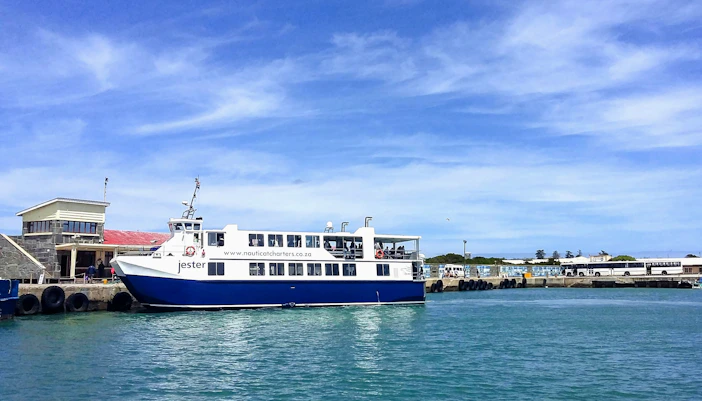
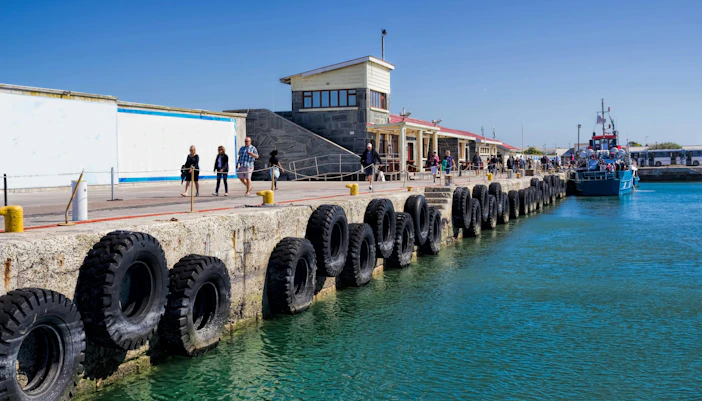
Robben Island visits run according to scheduled ferry departures from the Nelson Mandela Gateway at the V&A Waterfront. Ferries typically depart at 9am, 11am, 1pm, and 3pm, with additional departures sometimes added during busier periods. The complete experience lasts around 3.5 to 4 hours, including the ferry ride, island bus tour, and museum visit. Ferry services are subject to weather and sea conditions, so check the latest schedule before travelling.
What is Robben Island in Cape Town?
A historic island museum experience off the coast of Cape Town, Robben Island combines a ferry journey, guided island tour, and visits to former prison sites that shaped South Africa’s history. Located about 7 kilometres from the mainland, the island is accessed by ferry from the Nelson Mandela Gateway at the V&A Waterfront. The experience typically takes around 3.5 to 4 hours, including the return ferry crossing, guided bus tour, and museum visit. What makes Robben Island distinct is the opportunity to hear personal accounts from former political prisoners while walking through the places connected to the country’s struggle for democracy.
Why visit Robben Island?
1/4
Walk through a former prison complex
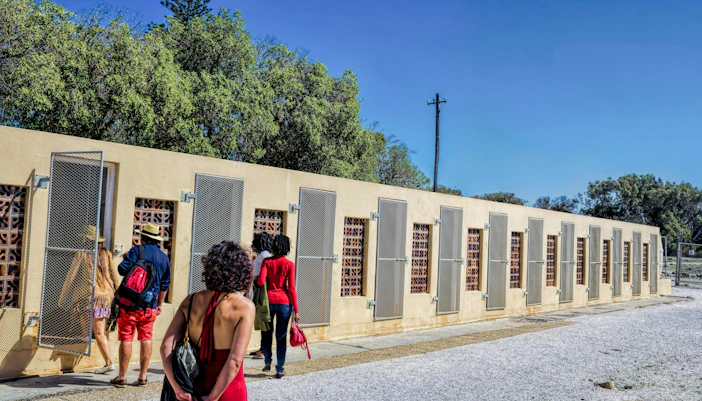
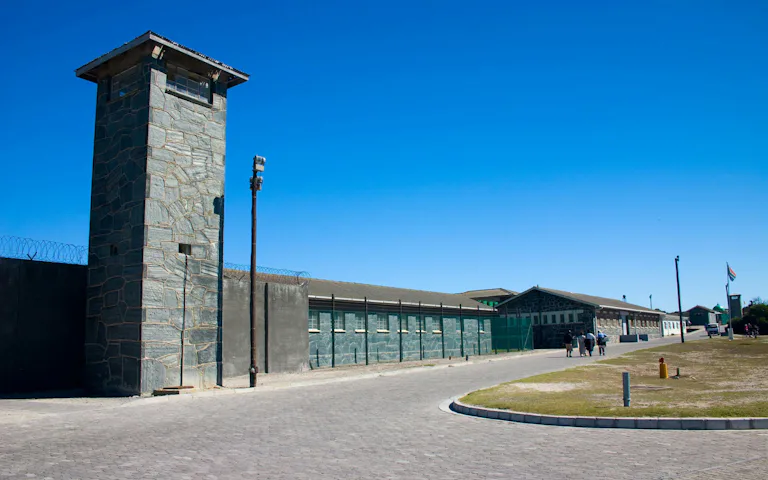
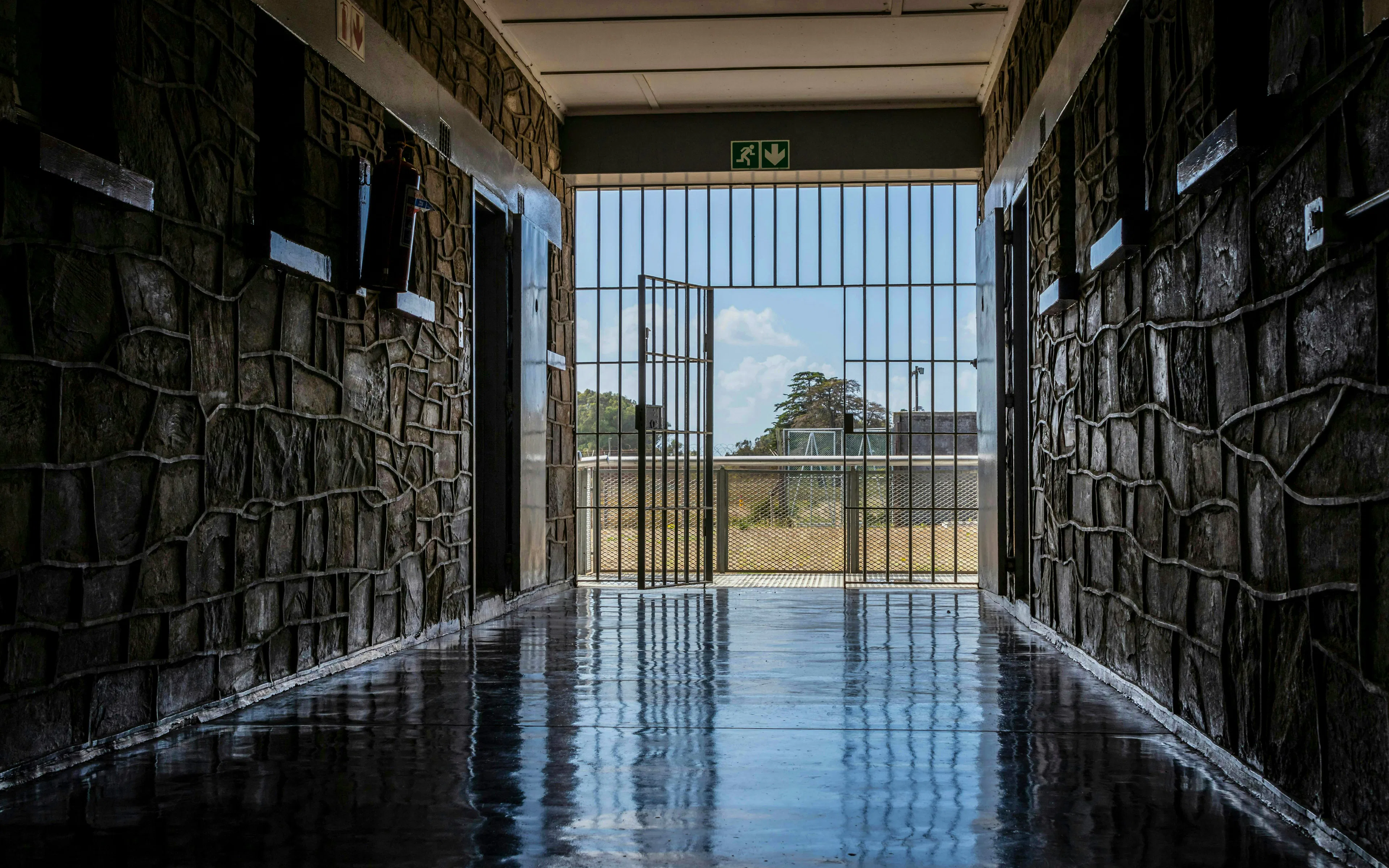
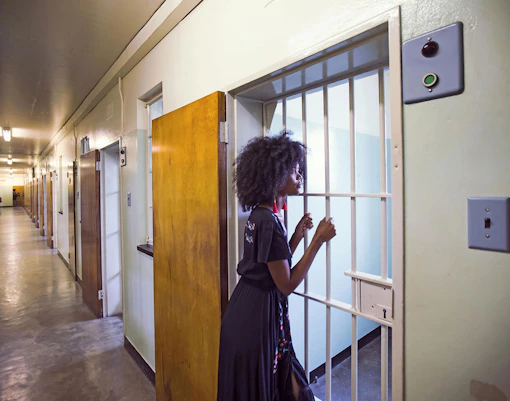
Robben Island offers a guided look inside the prison buildings where political prisoners were held during apartheid. Visitors see the cell blocks, communal areas, and spaces where prisoners lived and worked while learning about daily life on the island.
Hear stories from former inmates
Many guided tours include commentary from former prisoners who share personal experiences of imprisonment, resistance, and life on the island. These accounts add human context to the buildings and exhibits visitors see during the tour.
Understand South Africa’s history through the museum
The Robben Island Museum connects the island’s past with South Africa’s wider journey toward democracy. Exhibits, photographs, and preserved spaces help explain why the island became a symbol of political struggle and resilience.
Ferry conditions shape the experience
The ferry crossing is an essential part of the visit, but sea conditions can affect operations. Windy days can make the journey more challenging, and schedules may change depending on weather and safety requirements.
Plan your visit to Robben Island
Timings

Best time to visit
The best time to visit Robben Island is from March to May or September to November, when Cape Town generally has comfortable temperatures and fewer crowds than the peak summer months. Summer offers longer daylight hours but attracts more visitors. Winter can be quieter, though stronger winds may affect ferry operations.
Location
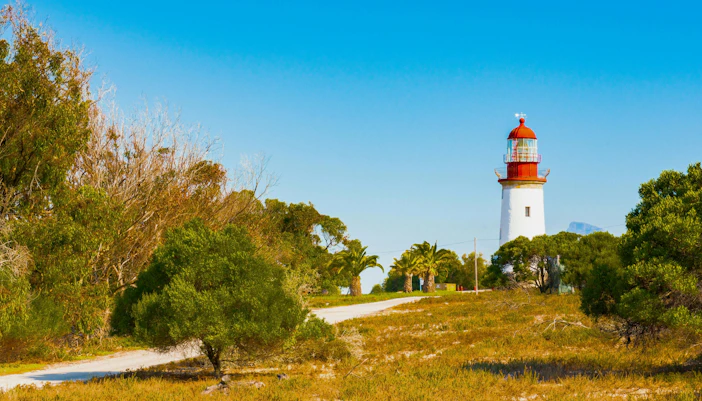
Robben Island is located off the coast of Cape Town and is reached by ferry from the Nelson Mandela Gateway at the V&A Waterfront. The ferry terminal is easy to reach by taxi, private transfer, or public transport from central Cape Town. Visitors joining guided tours may also have hotel pickup included, depending on the experience selected.
What the Robben Island experience involves
Robben Island is a linear experience, where the visit follows a set sequence: ferry crossing, island tour, prison visit, and museum exploration.
The ferry crossing to Robben Island
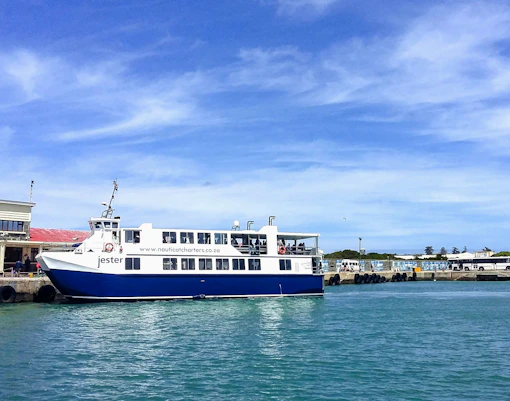
The experience begins at the Nelson Mandela Gateway, where visitors board the ferry across Table Bay. The crossing takes approximately 30 minutes each way and offers views of Cape Town’s coastline and Table Mountain from the water. Ferry times are fixed, so arriving early is important to complete check-in and boarding before departure.

The island bus tour
After arriving on the island, visitors join a guided bus tour covering key locations beyond the prison complex. The route introduces the island’s varied history, including its use as a political prison, military base, and place of isolation over different periods.
The former prison visit
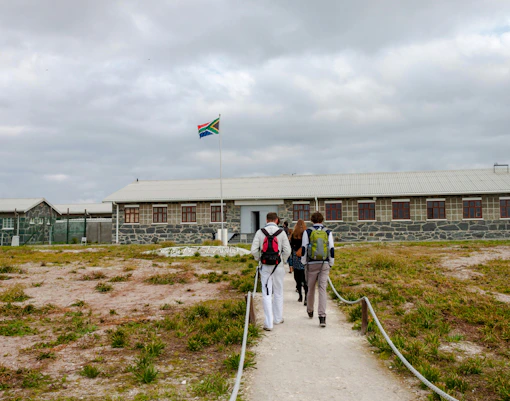
The prison complex is the central part of the experience. Visitors walk through the site with a guide, seeing preserved areas such as cell blocks and communal spaces while learning about the experiences of political prisoners held there. The conditions and layout of the prison help explain the realities of incarceration during apartheid.
The museum experience
The visit concludes with time to explore museum exhibits and learn more about Robben Island’s role in South Africa’s history. Displays combine historical information with personal stories, helping visitors understand the island beyond the physical buildings.
The context behind Robben Island
Robben Island has served several purposes throughout its history, including a colonial outpost, military site, hospital, and prison. During apartheid, it became internationally recognised as the place where many anti-apartheid activists, including Nelson Mandela, were imprisoned. The island’s significance comes not only from the buildings that remain but from the stories of the people who lived there and continued their political work despite imprisonment. Understanding this context changes how visitors view the prison cells, limestone quarry, and preserved spaces during the tour.
What to know before you book your Robben Island tickets
Need to know
- The tour includes ferry transfers, a guided island tour, and museum entry; hotel transfers, meals, and additional attractions are only included on selected combination tours.
- The experience involves walking around the island and prison complex on uneven surfaces; comfortable shoes are recommended, and guests with mobility concerns should check accessibility details before booking.
- Tours are conducted with guided commentary, including experiences led by former prisoners on selected tours; language availability varies by operator.
- Photography is allowed in many areas, but some sections may have restrictions; follow your guide’s instructions during the visit.
Worth knowing
- Ferry departures are limited and popular time slots can sell out, especially during peak travel months; booking ahead helps secure your preferred departure.
- Morning departures are a good choice if you plan to combine Robben Island with other Cape Town attractions later in the day.
- Bring a light jacket even in warmer months; the ferry crossing and island can be windy.
Frequently asked questions about Robben Island
Robben Island is famous for its role as a political prison during apartheid, where many anti-apartheid activists were imprisoned. Today, it is a museum and heritage site that shares stories of resilience, resistance, and South Africa’s journey toward democracy.
Visitors reach Robben Island by ferry from the Nelson Mandela Gateway at the V&A Waterfront in Cape Town. The ferry crossing is included with official tours and tickets, with return services included as part of the experience.
A typical Robben Island tour takes around 3.5 to 4 hours. This includes the ferry crossing, a guided bus tour around the island, and a visit to the former prison and museum exhibits.
Robben Island visits are generally organised as guided experiences. The guided format helps visitors understand the historical significance of the island and provides context for the sites they see.
Yes, families can visit Robben Island. The ferry journey and guided tour provide an educational experience, though younger children may find the historical content more engaging if they have some background knowledge beforehand.
Wear comfortable shoes and bring a light jacket or windbreaker. The island can be windy, even on warm days, and the experience includes walking between different sites.
Photography is allowed in many areas of Robben Island, including outdoor spaces and selected historical areas. Follow any instructions from guides regarding restricted locations.
Yes. Ferry operations depend on safe sea conditions, and strong winds or rough seas may affect schedules. Always check for updates before travelling, especially during winter months when coastal conditions can be more unpredictable.