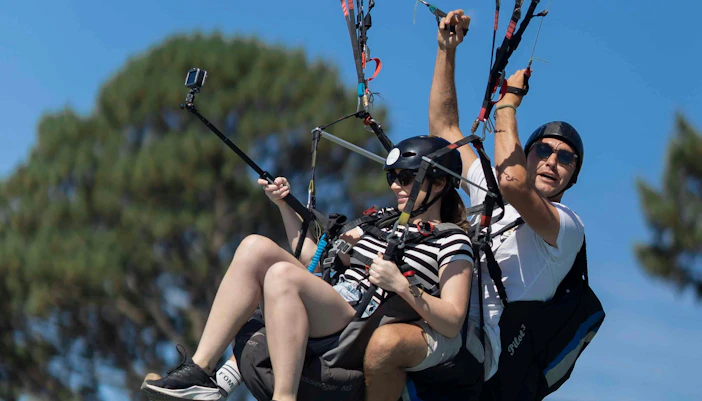
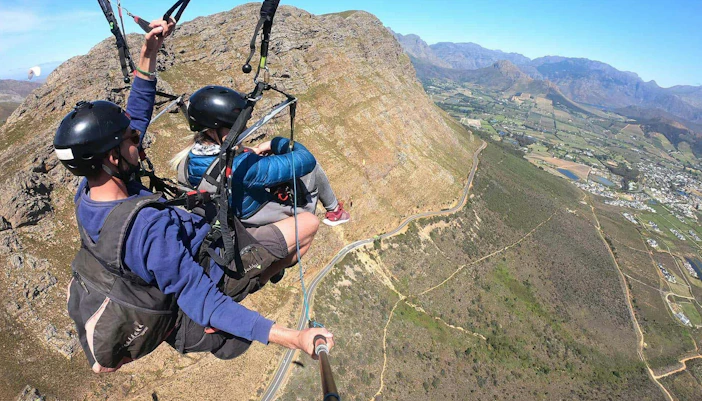
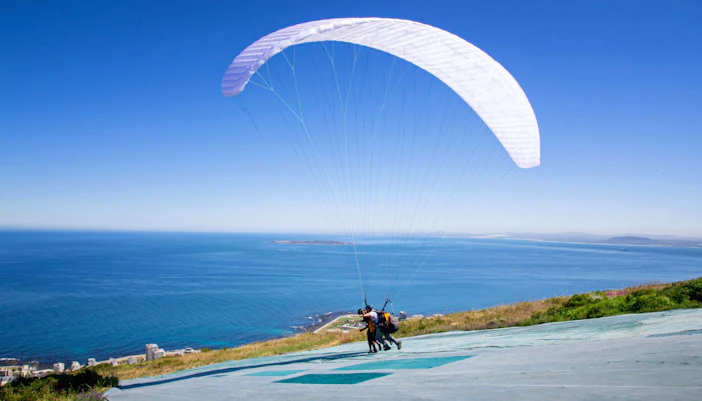
Operators publish real-time flight-condition guidance rather than seasonal weather cards with average temperatures. For this activity, current wind direction, wind strength, low cloud, and visibility matter more than monthly averages.
Cape Town paragliding timings and hours
Cape Town paragliding timings
| Season/Month | First Departure | Last Departure | Frequency | Notes |
|---|---|---|---|---|
Year-round | No fixed time. | No fixed time. | Weather dependent. | Tandem paragliding is available year-round, weather permitting. Launch times depend on wind and visibility, with flights typically taking off from Signal Hill or Lion’s Head. |
Things to keep in mind before your Cape Town paragliding experience
- Arrive with buffer time because unsuitable wind can put departures on standby even when your booking has been confirmed.
- Book early in your Cape Town stay so you still have room to reschedule if conditions cancel your flight.
- Launch site selection is operational, not scenic-tiered, so Signal Hill or Lion’s Head depends on the day’s wind.
- Set aside about 1 hour overall, but actual airtime remains variable and cannot be guaranteed in advance.
- Included transport returns you to Signal Hill after landing, so don’t schedule tight back-to-back plans right afterward.
Official Timetable & Further Info
Timings on this page reflect current 2026 operator guidance, but tandem flights can shift or pause because of wind direction, visibility, maintenance, and day-of safety calls. Recheck the official operator conditions page shortly before you leave for Signal Hill or Lion's Head.
Best time for paragliding in Cape Town
Summer (December–February)
Pros: Long daylight hours and high visitor demand make it easier to fit paragliding into your itinerary.
Cons: It's peak season, so popular flying days can be busier. Wind can still delay or cancel flights.
Autumn (March–May)
Pros: Fewer crowds can give you more flexibility when planning your paragliding experience.
Cons: Flying conditions can be less predictable, so keep some flexibility for delays or rescheduling.
Winter (June–August)
Pros: A good option if you're flexible with your schedule and want to experience Cape Town outside peak season.
Cons: Weather can be more disruptive, with wind and visibility potentially affecting flights.
Spring (September–November)
Pros: Conditions and daylight improve as summer approaches, while visitor numbers are generally lower than in peak season.
Cons: Flying is still weather-dependent, so check conditions on the day and allow flexibility in your itinerary.
No verified operator-wide weekday or weekend schedule difference is published. For planning, treat this activity as weather-led first and calendar-led second, and choose the date that gives you the most flexibility.
- Early confirmed slot: Best if you want maximum recovery room in your schedule. If conditions fail early, you still have more of the day, or later trip days, to reschedule without losing the whole experience.
- Midday confirmed slot: Works well if your morning is booked elsewhere, but keep a generous buffer on both sides. Earlier weather holds can ripple through later departures, so avoid stacking this against fixed lunch, tours, or airport plans.
- Late-afternoon slot: Choose this only if you’re comfortable with more end-of-day pressure. If the operator pauses flights late, you’ll have less same-day recovery room and fewer chances to reshape the rest of your Cape Town plans.
How does weather affect your Cape Town tandem paragliding experience?

How long does Cape Town tandem paragliding typically last?

With about 1 hour
This is the standard planning window for the Headout-listed flight. In that time, you’ll usually check in, sign forms, get a briefing, fly in tandem, land near the coast, and use the included transport back to Signal Hill. This works best when conditions align quickly.
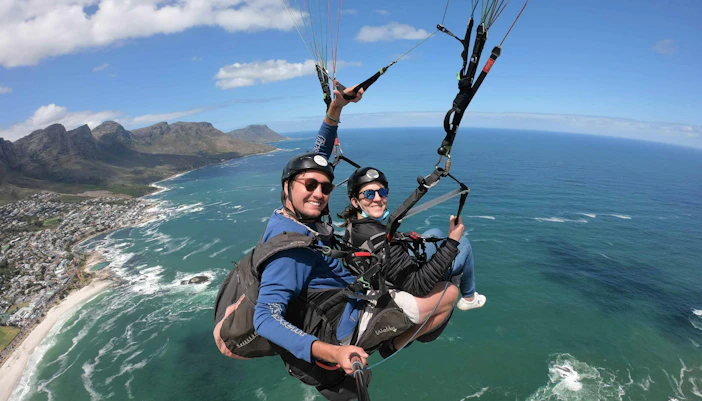
With 2 hours set aside
This is the safer option if you want less stress on the day. You’ll have more breathing room for briefing, pilot rotation, short standby periods, and the return transfer after landing. If you’re trying to fit lunch, a cable car, or a transfer later, this is the better buffer.
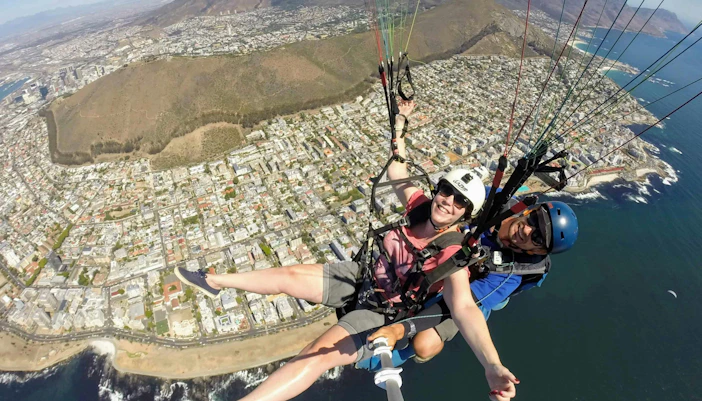
With a flexible half-day
This is the smartest plan if paragliding is a priority experience. As wind can delay, shorten, or cancel flights, a half-day window gives you the best chance of waiting out a temporary hold or moving to a later workable slot without derailing the rest of your trip.
Frequently Asked Questions about Cape Town paragliding timings
Yes. Official operators state tandem flights run year-round, every day, weather permitting. What changes is not the season’s opening status, but whether wind direction, wind strength, visibility, and launch conditions are safe enough for your booked window.
No single citywide timetable is published. You book a slot, then the operator confirms whether conditions support launch from Signal Hill or Lion’s Head. Treat your booking as a weather-led flying window rather than a guaranteed public departure clock.
Plan to arrive early enough for forms, briefing, and harness setup. The sold experience lasts about 1 hour, and late arrival can shrink the already short readiness window if the wind is briefly favorable when your pilot is ready.
If wind or visibility turns unsuitable near your slot, the operator can delay, place flights on standby, or cancel. The Headout-listed experience offers a full refund if conditions do not improve and you cannot reschedule to another workable window.
Dedicated sunrise or sunset products are not the standard Cape Town setup. Some operators may market late-day flights, but launch timing still depends on safe wind and visibility, so you shouldn’t plan around a guaranteed golden-hour takeoff.
It’s better not to leave this activity for your final Cape Town day. Official operator guidance favors booking early in your trip because wind-based cancellations or delays are easier to absorb when you still have room to reschedule.